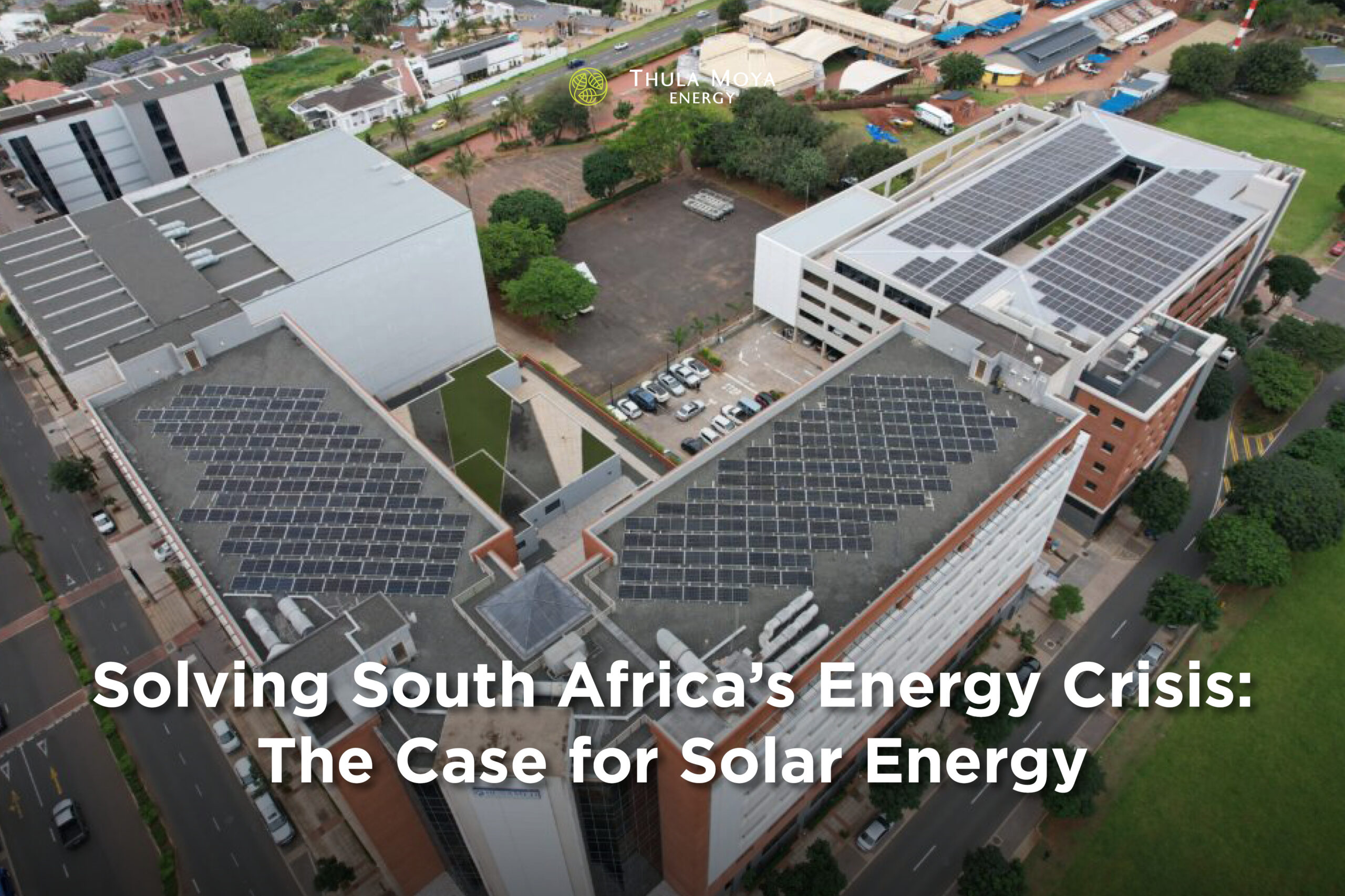
South Africa’s ongoing energy crisis, driven by years of mismanagement, corruption, and infrastructure neglect at Eskom has severely impacted businesses. Load shedding, once a temporary measure, has become a permanent disruption causing rising operational costs, productivity losses, and economic instability. With no guaranteed resolution in sight, businesses must seek alternative energy solutions.
Solar energy presents the most viable path forward. South Africa’s high solar irradiation levels, coupled with declining technology costs and improved battery storage, make solar power a reliable and cost-effective alternative. Investing in solar ensures energy independence, shields businesses from Eskom’s escalating tariffs, and enhances operational strength.
Despite perceived financial barriers, many financing models like Power Purchase Agreements (PPAs) and government incentives exist to help businesses begin this transition, including the Section 12B Tax Allowance, making solar adoption highly accessible to business owners. As one of South Africa’s leading EPC solar companies, Thula Moya Energy provides end-to-end solar solutions, from feasibility assessments to installation and long-term maintenance, ensuring seamless transitions to clean energy for businesses and homeowners across the country.
As load shedding continues to disrupt industries such as manufacturing, retail, hospitality, and agriculture, businesses that invest in solar will secure a competitive edge, long-term savings, and stability in an uncertain energy landscape. The future of South Africa’s energy lies in private solar adoption, and Thula Moya Energy stands as the ideal partner to drive this transition. Now is the time to take control of your energy future. Partner with Thula Moya Energy for a reliable, cost-effective, and sustainable solution.
Introduction
South Africa’s energy crisis has reached a critical point, with businesses and individuals bearing the brunt of an unstable power grid. Since the introduction of load shedding in 2007, the country has struggled to maintain a reliable electricity supply, leading to severe economic consequences.
Businesses are facing rising operational costs, productivity losses, and increased reliance on costly backup power solutions, while households endure daily disruptions that impact the quality of life of all the country’s citizens. The root causes of the crisis are complex, stemming from corruption, mismanagement, and a failure to invest in infrastructure at Eskom, the state-owned power utility. While various government interventions have been introduced, progress remains slow, and businesses can no longer afford to depend solely on Eskom’s uncertain recovery. Amidst these challenges, renewable energy has emerged as the most viable long-term solution.
Businesses are facing rising operational costs, productivity losses, and increased reliance on costly backup power solutions
With abundant sunlight of more than 2,500 hours annually, the declining costs of solar technology, and new financing options, South African businesses, now more than ever, have the opportunity to take control of their operational futures. This report will explore the causes of the energy crisis in South Africa, its impact on businesses, and why Thula Moya Energy is the ideal partner for companies looking to transition to solar power and achieve independence from an unpredictable and unreliable grid at national and municipal levels.
Understanding the Energy Crisis
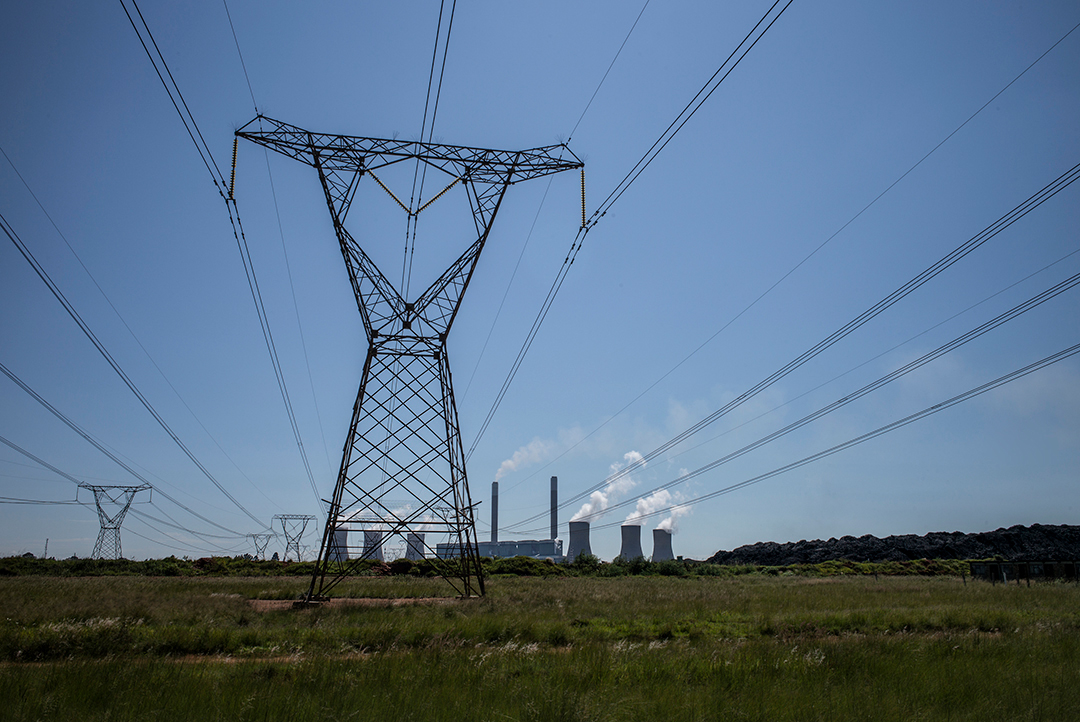
Power lines leaving Eskom’s Duvha Power Station in the coal rich Witbank region of South Africa
To understand why solar energy is the best solution for your business, diving into the history of how South Africa arrived to this energy crisis is essential. It is the result of years of neglect, mismanagement, and systemic corruption within Eskom. In 1998, a government report warned that Eskom would run out of power reserves by 2007 and recommended restructuring the utility to avoid a national energy shortage. However, the government at the time passed over these warnings, leading to an over-reliance on aging coal-fired power plants, which now frequently break down.
Load shedding was first introduced in 2007 as a short-term solution to manage electricity demand, but it has since become a permanent fixture in South African life.
Since the year 2000, only 9,564 MW of new capacity has been added to the grid, failing to keep up with demand (at the time of publishing this report, South Africa’s current generation capacity is around 39,000MW). The construction of Medupi and Kusile, two massive coal power plants, was meant to address the rising crisis, but mismanagement and poor planning delayed their completion and rendered them unreliable, and as a result Eskom has been unable to supply enough electricity to meet the country’s needs, leading to the ongoing cycle of load shedding. Adding to these challenges, sabotage and corruption have further crippled Eskom’s ability to operate efficiently. Investigations have revealed deliberate damage to infrastructure, likely driven by criminal networks and politically motivated actors. In 2022, the South African National Defence Force (SANDF) was deployed to several Eskom power stations to combat theft and sabotage, underscoring the severity of the crisis.
Load shedding was first introduced in 2007 as a short-term solution to manage electricity demand, but it has since become a permanent fixture in South African life. What began as an occasional inconvenience has evolved into a severe and ongoing crisis, with Eskom implementing multiple stages of load shedding, ranging from Stage 1, involving minimal cuts, to Stage 6, which can see businesses and households plunged into darkness for up to 6 hours per day or more.
The severity of load shedding has intensified over time, with key periods marking significant escalations. Between 2007 and 2008, initial power shortages arose due to rising demand and coal supply issues, exposing the vulnerabilities in South Africa’s energy infrastructure. The crisis deepened in 2014 when a coal silo at Majuba Power Station collapsed, further reducing Eskom’s capacity to generate electricity. By 2019 and 2020, Stage 4 load shedding was introduced as power generation continued to decline. However, the worst period came between 2022 and 2023, when South Africa endured over 200 days of load shedding in a single year, making it the most severe energy crisis in the country’s history. Stage 6 became a regular occurrence and in response to mounting pressure, Eskom CEO André de Ruyter resigned, citing widespread corruption as one of the biggest barriers to resolving the crisis.
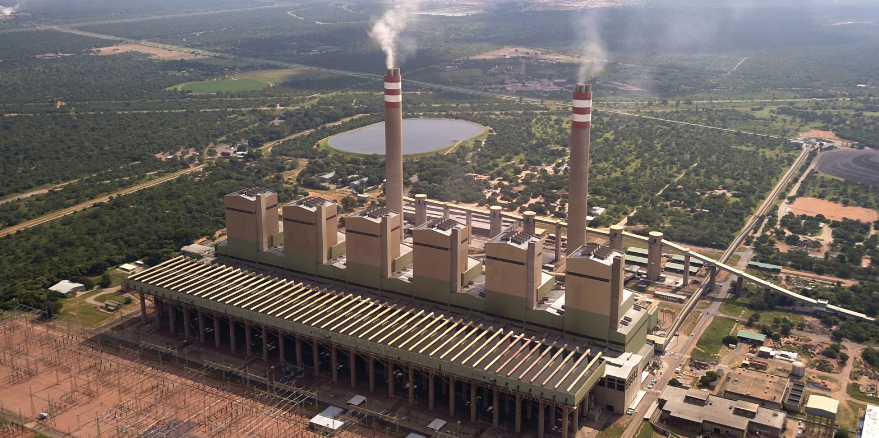
Kusile Power Station, located in Witbank and consisting of six generating units, is estimated to cost R118 billion to complete
The South African government has taken several steps to address the ongoing energy crisis, including raising the private power generation cap from 1MW to 100MW in 2021, offering a R254 billion debt relief package for Eskom in 2023, and introducing incentives for rooftop solar adoption. Additionally, the restructuring of Eskom into separate entities for generation, transmission and distribution aims to improve efficiency.
While these measures signal progress, the reality is that Eskom’s recovery remains slow, and businesses cannot afford to wait for a fully stabilised grid. The urgency for reliable energy has never been greater, making solar power more than just a viable choice, but also an essential one for businesses seeking to control costs and ensure their operations are not disrupted.
The Impact of Load Shedding on Businesses So Far
Load shedding has crippled South Africa’s economy, forcing business closures, increasing crime, and eroding quality of life. Studies have linked Stage 6 load shedding to a measurable decline in national happiness, while a 2023 Pretoria High Court case even argued that the energy crisis violated citizens’ constitutional rights. Beyond the social impact, the financial consequences are staggering – South Africa’s economic potential has shrunk by 2,0% since 2007, with GDP losses of 1% to 1.3% annually, amounting to billions in lost revenue. Meanwhile, electricity tariffs have skyrocketed by 460% over the last 20 years, placing immense financial strain on businesses and households alike. With no guaranteed end to load shedding, businesses must take control of their energy future. Solar power presents a viable, cost-effective alternative, offering long-term savings, stability, and independence from an unreliable grid. As the economic toll of load shedding grows, investing in solar is no longer just an environmental choice – it is a financial necessity.
Certain industries have been hit hardest by South Africa’s energy crisis, with those relying on continuous power supply facing severe disruptions. Manufacturing plants endure costly downtime, throwing supply chains and production schedules into disarray. Retailers, hotels, and restaurants struggle with stock losses and reduced customer traffic, while farmers face irrigation failures, livestock losses, and equipment damage from power surges. Even the mining sector, one of South Africa’s key economic drivers, has been forced at crucial times to halt operations due to unreliable electricity.

South African business owners and their households can no longer afford to be left in the dark
For businesses in these sectors, waiting for the grid to stabilise is not an option. Solar energy offers a resilient and cost-effective solution, ensuring uninterrupted operations and long-term financial stability. As load shedding continues to threaten productivity, companies that invest in solar will not only protect their bottom line but also gain a competitive edge in an increasingly volatile energy landscape.
More businesses are now turning to solar and battery storage solutions to ensure uninterrupted operations, taking the position that having total energy independence is a strategic advantage to their business strategy.
The Rise of Solar as a Solution
With some of the highest irradiation levels in the world, South Africa is perfectly suited for solar energy adoption. Unlike coal, which relies on complex supply chains and extensive infrastructure, solar energy is abundant, reliable, and sustainable. Solar energy provides long-term cost stability, shielding businesses from Eskom’s rising tariffs. The return on investment for solar installations has become stronger than ever, thanks to plummeting technology costs and increasing financing options. Breakthroughs in battery storage technology, such as lithium-ion and flow batteries, now allow businesses to store excess solar power for nighttime use, making solar a viable 24/7 solution.
Instead of paying upfront for the solar panels, your business can get a solar system installed at no cost and simply pay for the electricity that it generates.
Many businesses hesitate to adopt solar due to perceived high costs, but financing models like Power Purchase Agreements (PPAs) allow them to switch with zero capital investment. This means that instead of paying upfront for the solar panels, your business can get a solar system installed at no cost and simply pay for the electricity that it generates, often at a lower rate than what you’d pay the grid. Thula Moya Energy partners with reputable third-party providers who own and maintain the system, so you benefit from clean energy without the hassle of ownership, maintenance, or large capital expenses.
This has been proven time and again through our success stories that eliminating the need for a large upfront investment will help businesses save even more in the long run. Since Thula Moya Energy handles all the maintenance and performance risks, businesses can focus on operations without worrying about system upkeep or unexpected expenses. Any maintenance concerns are addressed with warranties and service agreement sensuring long-term performance, which are provided to business owners when the project starts. The South African government also offers tax incentives and rebates for businesses investing in renewable energy, making solar more accessible than ever.
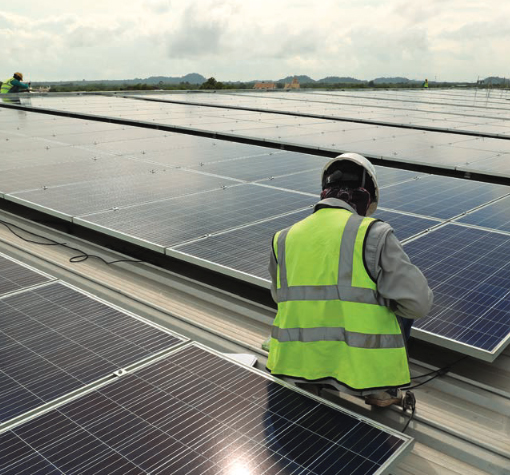
Solar energy can cumulatively save businesses millions over years through strategic financial decision-making
Why Businesses Should Choose Us
South Africa’s energy crisis has placed businesses under immense pressure. With intermittent load shedding disrupting operations, rising electricity costs straining budgets, and Eskom’s recovery remaining uncertain, companies must take proactive steps to secure reliable energy solutions. Thula Moya Energy is at the forefront of delivering high-quality, customised solar solutions in South Africa that provide businesses with cost savings, energy independence, and long-term resilience.
One of the primary concerns for businesses considering solar energy is the upfront investment. Thula Moya Energy provides a range of financing options that make transitioning to solar seamless and affordable. South African businesses investing in solar energy can claim significant tax deductions through the Section 12B Tax Allowance, reducing their capital expenses and making solar more financially viable. Additionally, renewable energy assets are eligible for accelerated depreciation, allowing companies to recover their solar investment faster and improve cash flow. Businesses generating excess solar energy can benefit from feed-in tariffs, selling electricity back to the grid and securing a stable revenue stream. South Africa’s Small-Scale Embedded Generation (SSEG) program allows customers to offset electricity costs through net metering, reducing reliance on the national grid and maximising savings.
To further ease financial barriers, Thula Moya Energy offers customised financing solutions that align with each business’s unique needs, ensuring clients can access solar power without straining their finances. Businesses can also take advantage of Power Purchase Agreements (PPAs), which eliminate upfront costs by allowing companies to purchase solar energy at a lower-than-grid rate while Thula Moya Energy handles installation and maintenance. For those who prefer an even more hands-off approach, our roof rental model enables businesses to lease their rooftop space for solar panel installation, benefiting from clean energy and cost savings without owning the equipment.
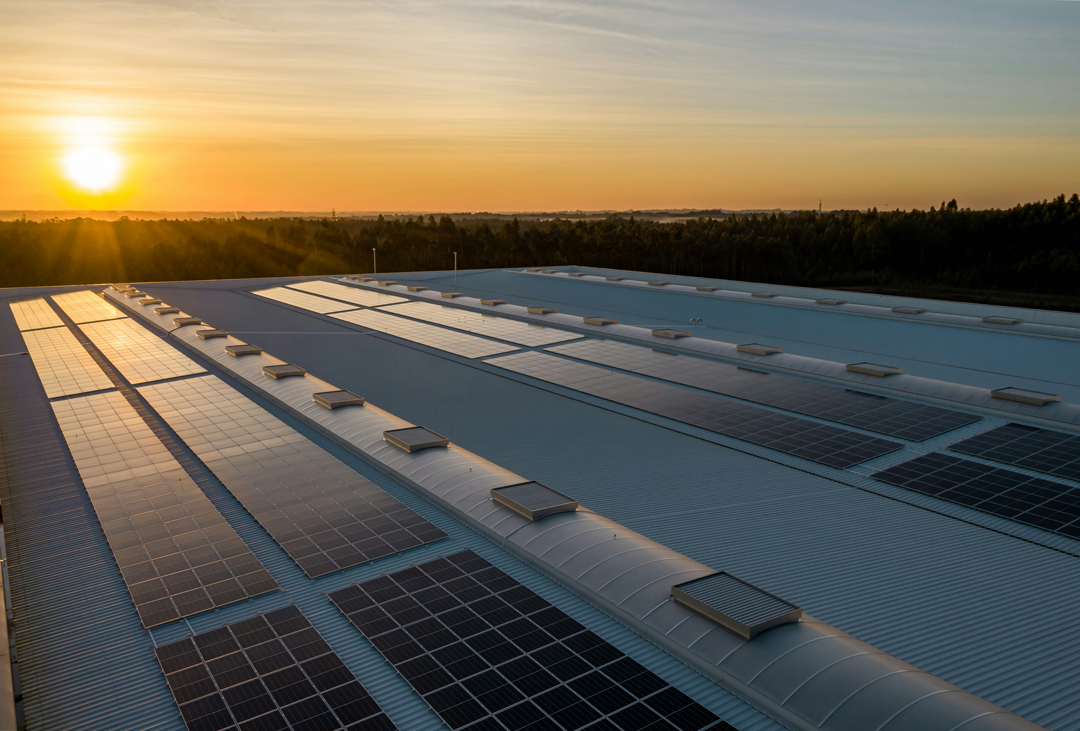
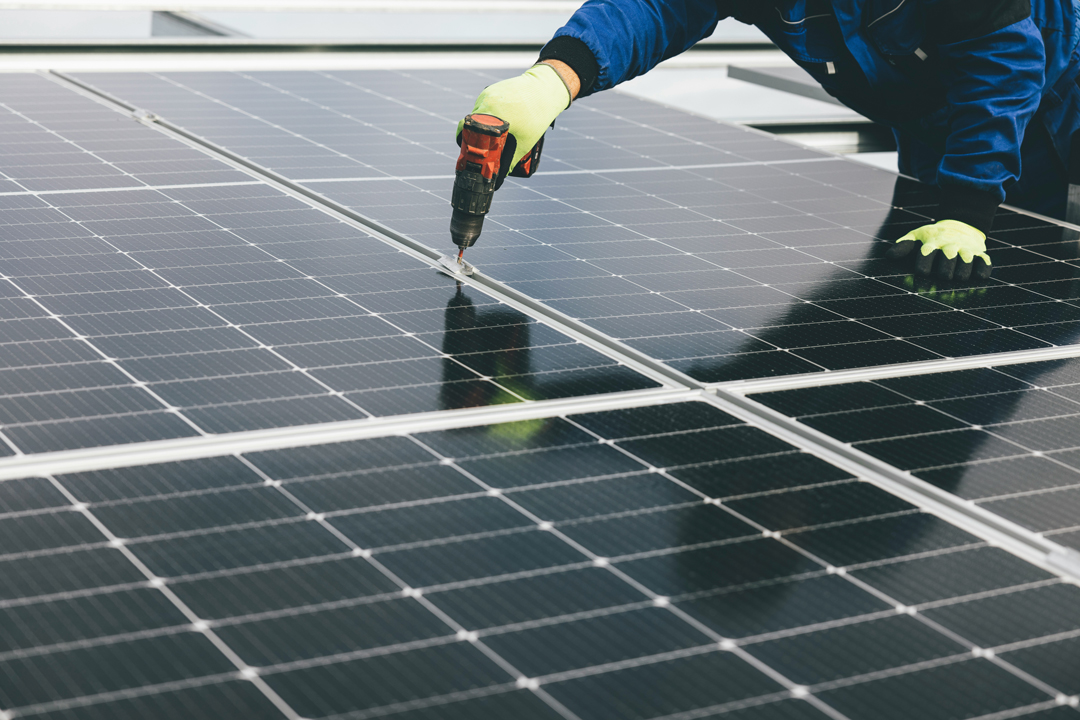
Powering South Africa’s future – solar PV panels harness the light of day, providing businesses with energy security, cost savings, and independence from unstable electricity supply
Thula Moya Energy is a full-service solar EPC (Engineering, Procurement, and Construction) provider, ensuring that every aspect of a solar project is expertly managed from start to finish. Our approach eliminates complexities and delivers unique and exceptional solutions for businesses looking to harness the benefits of solar energy.
We conduct detailed feasibility assessments, evaluating solar potential through site analysis, resource assessments, and adaptive financial modeling. Our experienced technicians design and optimise solar systems that ensure maximum efficiency and system reliability. We source high-quality solar panels, batteries, and inverters from trusted suppliers, and provide our own high-quality locally manufactured mounting structure, ensuring long-term performance and durability. The construction and installation processes are executed with minimal disruption to business operations, with every aspect managed for timely delivery and seamless grid integration.
To guarantee quality and compliance, we adhere to all industry standards, safety regulations, and local building codes. Our rigorous quality control measures ensure that installations meet the highest performance and durability standards. At Thula Moya Energy, we prioritise health and safety in every aspect of our operations. Our commitment to compliance and best practices is reinforced by our registration with the South African Council for the Project and Construction Management Professions (SACPCMP) and the South African Institute of Occupational Safety and Health (SAIOSH). We also comply with the Occupational Health and Safety Act (OHSA) (Act No. 85 of 1993), the Construction Regulations (2014), the Electrical Installation Regulations (2009), and the National Environmental Management Act (NEMA) (Act No. 107 of 1998).
Beyond installation, we provide comprehensive operations and maintenance services, including ongoing system monitoring, troubleshooting, equipment inspections, and efficiency optimisation to maximise energy output and extend system lifespan.
Unlike many providers who offer generic solar solutions, Thula Moya Energy is deeply committed to delivering customised, high-quality solar projects that are tailored to each business’s unique needs. Our hands-on project management style ensures that every stage of the process, from initial consultation to long-term maintenance, is handled with precision and expertise. As South Africa’s energy crisis continues to impact businesses across industries, partnering with a reliable solar provider is critical. Thula Moya Energy offers more than just solar installations; we provide strategic, cost-effective, and scalable solutions that future-proof businesses against rising electricity costs and power disruptions.
The Future of Energy in South Africa
The future of South Africa’s energy landscape lies in localised power generation and private investment, reducing dependency on Eskom’s fragile grid. By providing businesses with cost-effective, reliable solar solutions, Thula Moya Energy is driving the country’s energy transformation, and we want to partner with you!
Choose Thula Moya Energy and secure a more stable, cost-efficient, and sustainable energy solution today.
Follow us on social media
LinkedIn: www.linkedin.com/company/thula-moya-solar
Facebook: Thula Moya Energy
Instagram: Thula Moya Energy